
Your Moving Day Checklist: What Happens Hour by Hour When the Movers Arrive

A moving day checklist starts the night before: pack a first-night box, set aside anything the movers shouldn't take, and clear a path. When the crew arrives, walk them through the home, then stay reachable while they load. At the new place, direct furniture placement, check the inventory, and do a final walk-through before they leave.
Quick Answer: Prep the night before, walk the crew through when they arrive, stay close while they load, and check everything at the other end.
Key Takeaways
- Most of a good moving day is decided the night before
- The walk-through when the crew arrives sets the plan for the whole day
- One decision-maker on site keeps the day moving
- Your first-night box and important documents ride with you, not on the truck
- In Virginia, you have 30 days after moving to update your address with the DMV
If you're reading this the night before your move, skip straight to the first section. Everything else can wait.
If you have a few days, here's the short version of what I'd tell anyone: the first fifteen minutes after the crew arrives shape more of your day than the next several hours combined. That's when the crew learns what's going, what's staying, what's fragile, and where the tricky doorways are. Get that part right and the rest mostly runs itself.
Quality Moving Services handles home moves throughout Richmond, Henrico, Chesterfield, Colonial Heights, and Petersburg, and this is the order a typical local moving day follows.
What Should You Do the Night Before Moving Day?
The night before moving day, finish packing, label every box with its room, and pack a first-night box with essentials. Set aside anything that won't go on the truck, including valuables, medications, important documents, and hazardous items. Clear hallways and entries, and make sure the crew has a clear place to park at both addresses.
- First-night box: phone chargers, toiletries, medications, a change of clothes, bedding, basic tools, paper towels, and snacks
- Keep with you: important documents, jewelry, cash, laptops, and keys
- Set aside: anything flammable, such as propane tanks, gasoline, paint thinner, and aerosols
- Defrost and dry the freezer if the refrigerator is moving
- Confirm elevator reservations or loading zone permits at both buildings
Someone always asks about the food in the refrigerator. Eat what you can that week, give away what you can't, and don't plan a big grocery run for the last three days. That's all there is to it.
What Happens When the Movers Arrive?
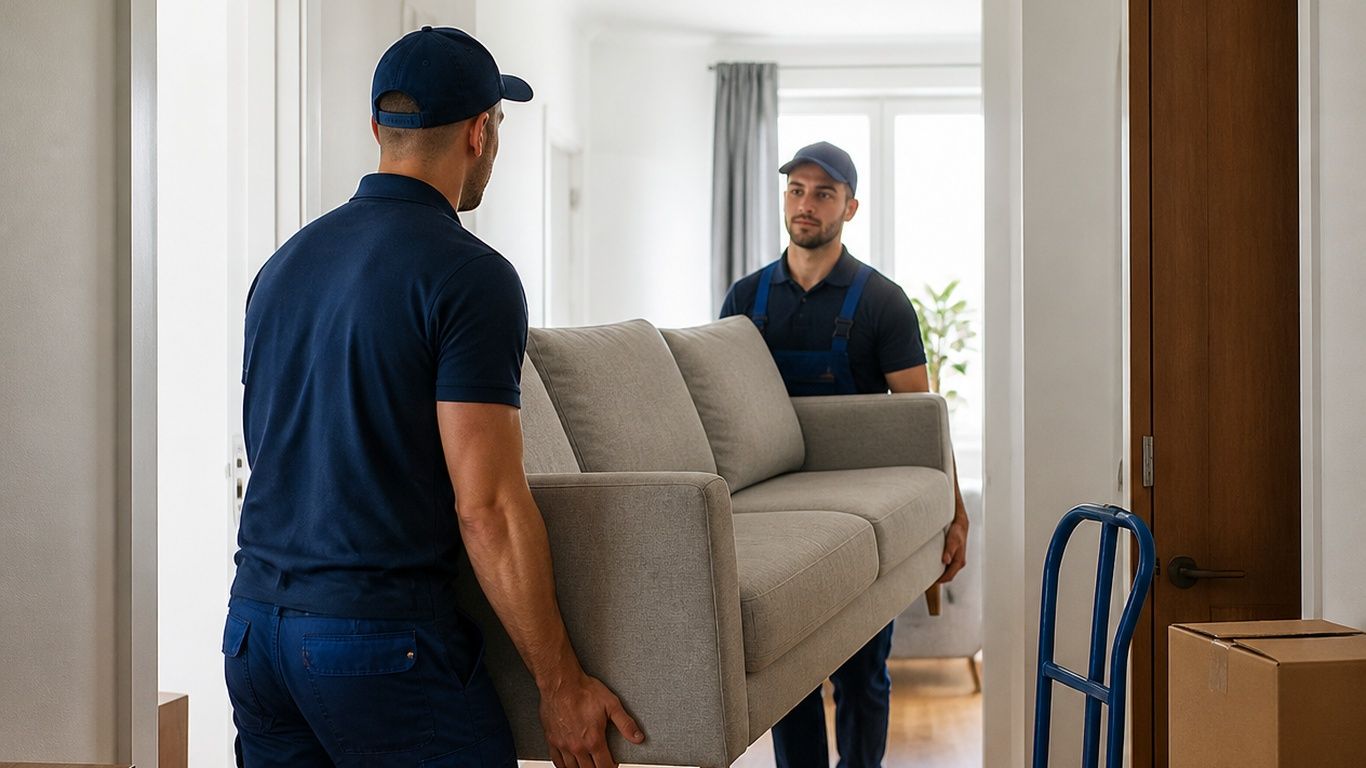
When the movers arrive, the crew lead will walk through the home with you to confirm what's going, what's staying, and what needs extra care. This is the time to point out fragile pieces, items that need disassembly, and tight spots like narrow stairs or low doorways. Then the crew protects floors and door frames and begins loading.
Pick one person to make decisions for the day. When two people give the crew different instructions about the same dresser, the dresser waits and so does everyone else.
Mark anything that isn't going. A piece of painter's tape or a sign on the door of a room that stays behind saves a lot of back-and-forth.
How Long Does Loading Take?
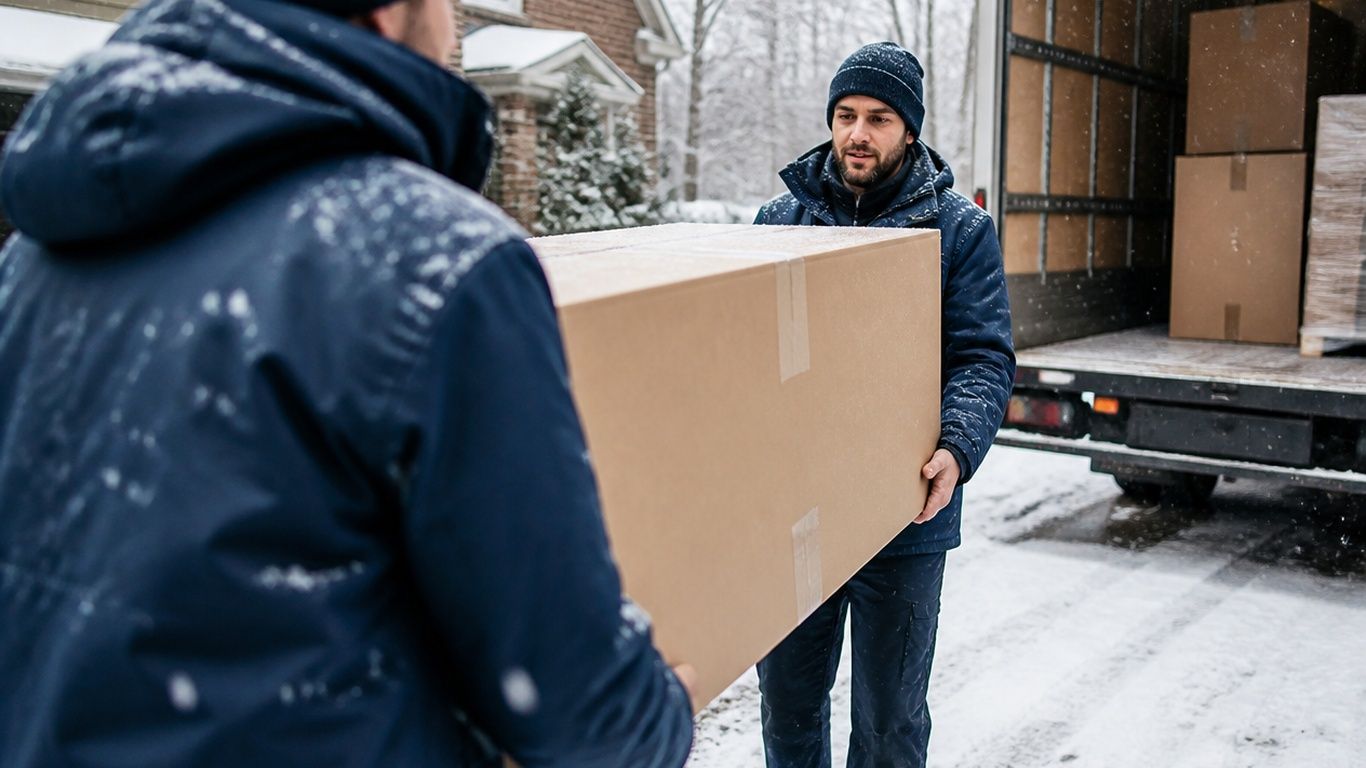
Loading takes most of the moving day for a full home, and a few hours for a smaller apartment. As a rough planning baseline, Quality Moving Services estimates about one hour per room for a 2,000 square foot home. Stairs, elevators, long carries, and last-minute packing can all add time to that estimate.
While the crew loads, stay reachable but out of the path. Questions come up: does the grill go, is this box yours or the landlord's, can the bed frame come apart. Quick answers keep the truck filling. For more on what shapes the timeline, our post on
how long it takes movers to load a truck goes into detail.
Before the truck pulls away, walk every room, closet, and cabinet one last time. Check the attic, the shed, and behind doors. It's the step people skip when they're tired, and it's the one that finds the box of winter coats in the hall closet.
What Should You Do When You Arrive at the New Home?
When you arrive at the new home, get there before the truck if you can, so you can confirm parking, open doors, and decide where large furniture goes. Tell the crew which room each labeled box belongs in. Check items off as they come in, look over furniture for any damage, and do a final walk-through before the crew leaves.
- Tape a simple floor plan or room labels on each doorway
- Place the heaviest furniture first so you aren't moving it twice
- Set up beds before the crew leaves, especially for kids
- Raise any concerns about damage or missing items before the crew finishes
What Should You Do After Moving Day?
After moving day, unpack the first-night box, set up beds and the bathroom, and leave the rest for the next day. Within the first few weeks, update your address with the post office, your bank, and your insurers. In Virginia, the DMV requires you to update your address within 30 days of moving.
The
Virginia DMV requires a new street address within 30 days of moving; a P.O. box won't count. You can register to vote or update your voter registration in the same step.
Frequently Asked Questions
What time do movers usually arrive?
Many local moves start in the morning so the crew has a full working day for loading, driving, and unloading. Your arrival window is confirmed when your move is booked. Be ready by the start of that window with a clear path to the door.
What should I do on moving day?
Be there when the crew arrives, walk them through the home, and point out fragile or special items. Stay reachable while they load, do a final sweep of every room, and meet the truck at the new home to direct where everything goes.
Should I be home while the movers work?
Yes, at least at the start and the end. You need to walk the crew through at arrival, answer questions during loading, and confirm the final walk-through. If you can't be there, choose one person you trust to make decisions for you.
Do I need to empty dresser drawers before the movers come?
Ask your mover, since practices differ. As a rule, remove anything heavy, fragile, valuable, or liquid. Drawers full of heavy items make furniture harder to carry and can strain the piece itself during the move.
What should I pack in a first-night box?
Pack what you need before you unpack anything else: phone chargers, medications, toiletries, a change of clothes, bedding, a few basic tools, paper towels, toilet paper, and snacks. Keep the box in your car so it arrives with you.
When do I need to change my address after moving in Virginia?
Within 30 days. The Virginia DMV requires residents to update their address within 30 days of moving to a new home, and it must be a street address, not a P.O. box. You can update voter registration at the same time.
Trust and Experience
Vincent Tucker is President of Quality Moving Services, which he founded in 1989 and has led for more than 34 years, serving Richmond, Henrico, Glen Allen, Short Pump, Chesterfield, Colonial Heights, Hopewell, and Petersburg. He currently serves as Chairperson of the Board of Directors for the Central Virginia Better Business Bureau, is a past Chairman of the Central Regional Advisory Committee for the Carolina Virginia Minority Supplier Development Council, and is President of the William Tucker 1624 Society.
Learn more about Vincent.
Schedule Your Move
Call
804-373-8677 or
contact us to put your moving day on the calendar. We'll confirm your arrival window and what the crew needs from you, so the first fifteen minutes go the way they should.
This article is for informational purposes only. Moving costs, timelines, and savings may vary based on project scope, logistics, and service requirements.